
SERVICE SUPPORT
For further communication, please feel free to contact us
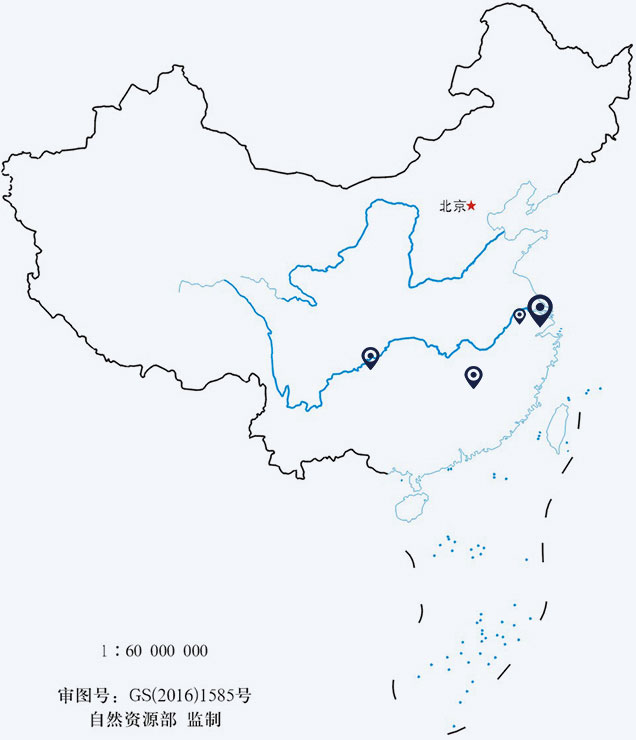
Network Query
01 Suzhou Ciyi Electronic Technology Co., Ltd.
Address: No. 1399 Pangjin Road, Jiangling Street, Wujiang District, Suzhou City, Jiangsu Province
02 Chongqing Ciyi Electronic Technology Co., Ltd.
Address: No. 302, Keji 3rd Road, Daxing Town, Bishan District, Chongqing City, Annex 36 (Zhongnan Gaoke · Bishan Intelligent Manufacturing Base · Ruigu)
03 Nanchang Ciyi Electronic Technology Co., Ltd.
Address: No. 1, Chang 'an Road, Wengang Town, Jinxian County, Nanchang City, Jiangxi Province
04 Vietnam Ciyi Electronic Technology Co., Ltd.
Address: VSIP Bac Ninh Industrial, Urban and Service Park, No. 11, Lot 7, CAI Son Ward, Bac Ninh Province, Democratic Republic of Vietnam
After-Sales Service
Technical Support/Customer Feedback
Email:
sales04@szdcet.com
Katrina.Chen@szdcet.com

FAQ
Note: All types of magnets can be custom-made to non-standard specifications.
Brittleness of Magnets
Is the adsorption force value marked in the catalog accurate?
Can magnets be used at the maximum operating temperature?
Can magnets regain magnetism after demagnetization?
What causes magnets to demagnetize during use?
Why is the result tested by our gaussmeter lower than the catalog value?
What are the advantages of custom magnets?
Can magnets be used in the food industry?
Which parameters are related to the magnetic force of magnets?
Where is the highest Gaussian value of a pure magnet located?
I use a teslameter—what is the conversion between Tesla (T) and Gauss (GS)?
What materials are rubber magnets made of?
Will magnets rust?
Why do magnets have attractive force?
Will magnets attract rust?
Should gaskets be used between magnets?
Which factors affect the processing cost of magnets?
Detailed Explanation of Magnet (Magnetization) Orientation Direction
Why are magnets plated or coated?
What are the most common types of plating and coatings for magnets?
What is the difference between passivated magnets and plated/coated magnets?



Product Center & Market Applications
© 2025 CIYITECH